
Professional Steam Cleaning Gave This Carpet a Fresh Start

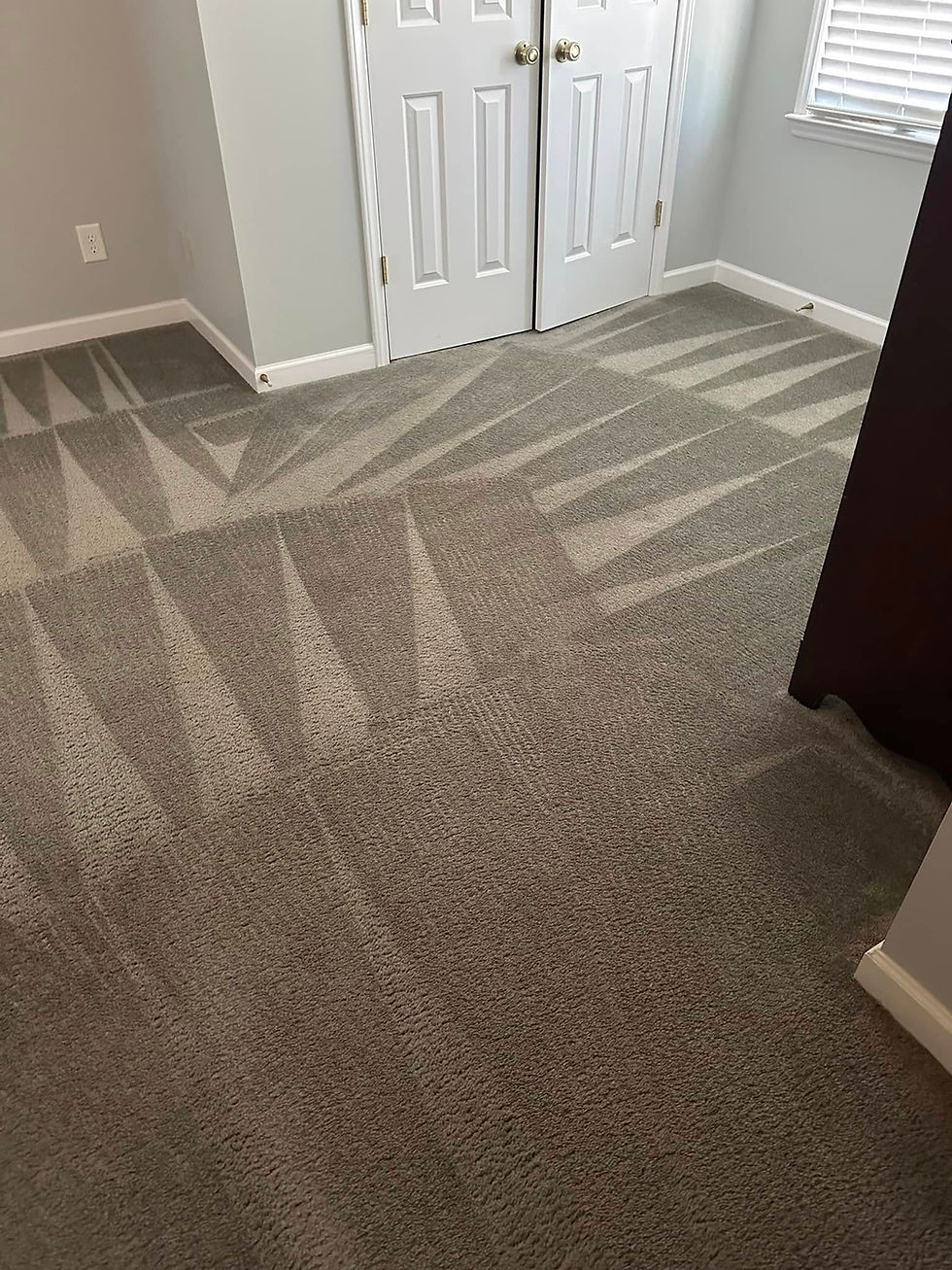
Carpet can collect a surprising amount of dirt even when it looks relatively clean. Dust, outdoor soil, skin oils, and everyday household debris gradually settle between the fibers, where ordinary vacuuming can't always reach them. On a recent carpet cleaning project for J Rex Cleaning Solutions, we used professional steam cleaning to thoroughly clean the carpet and refresh its appearance.
The photo from this project shows the carpet after cleaning, but there's more involved in the process than simply running a machine across the floor. Professional carpet cleaning combines the right cleaning solutions, water temperature, agitation, and extraction to remove contamination that builds up over time.
How Does Professional Carpet Steam Cleaning Work?
Professional carpet steam cleaning uses hot water, specialized cleaning solutions, and powerful extraction equipment to loosen and remove dirt from carpet fibers. The process, more accurately called hot water extraction, involves applying a controlled amount of cleaning solution, breaking down embedded soil, and recovering the dirty water through suction. When performed correctly, it provides a thorough cleaning without leaving the carpet unnecessarily wet.
Although homeowners commonly call the process steam cleaning, most professional carpet cleaning equipment relies primarily on heated water rather than dry steam.
The cleaning solution helps separate dirt and oils from the carpet fibers, while extraction removes the suspended contamination instead of leaving it behind.
For our recent project, the goal was to clean the carpet thoroughly and leave it looking refreshed. The finished photo shows the appearance of the carpet after professional cleaning.
What's the Difference Between Steam Cleaning and Hot Water Extraction?
The terms steam cleaning and hot water extraction are often used interchangeably, but they aren't technically the same thing.
True steam consists of water vapor. Hot water extraction uses heated liquid water delivered into the carpet, followed by powerful suction to recover the water and loosened soil.
Professional equipment may produce some visible vapor depending on the temperature and conditions, but the cleaning action primarily comes from the combination of water, cleaning chemistry, agitation, and extraction.
Hot water helps dissolve certain types of contamination and improves the effectiveness of compatible cleaning solutions. However, hotter isn't always better.
Different carpet fibers, backings, and stain types require different temperatures and cleaning approaches. Excessive heat can damage certain materials or make some stains more difficult to remove.
That's why professional carpet cleaning involves evaluating the carpet before choosing the appropriate treatment.
The objective isn't simply to use the hottest water possible. It's to remove contamination effectively while protecting the carpet.
Why Doesn't Vacuuming Remove All Carpet Dirt?
Regular vacuuming is one of the most important things homeowners can do to maintain their carpet, but it has limitations.
A vacuum removes loose particles through airflow and mechanical agitation. This works well for dust, crumbs, hair, and dry soil that hasn't become firmly attached to the fibers.
Over time, however, some contamination becomes more difficult to remove.
Oils from skin, shoes, and everyday household activity can create a thin film on carpet fibers. Fine dirt particles stick to that residue and become harder for a vacuum to separate.
Foot traffic also pushes soil deeper into the carpet pile.
Sand and other abrasive particles can settle near the base of the fibers, where repeated walking may contribute to gradual wear.
Vacuuming helps reduce this buildup, but it doesn't dissolve oily residue or rinse contamination from the carpet.
Professional hot water extraction addresses those problems by combining cleaning chemistry with rinsing and recovery.
For homeowners who vacuum regularly but notice their carpet gradually looking dull, embedded soil may be contributing to the change.
How Do Professional Cleaning Solutions Remove Embedded Soil?
Water alone isn't always effective at removing the oils and residue that accumulate in carpet.
Professional cleaning solutions contain ingredients designed to help separate contamination from the fibers so it can be rinsed away.
Surfactants are one important component. They help water interact with oily substances and loosen soil that would otherwise resist rinsing.
Other ingredients may help manage water hardness, control pH, or improve the removal of specific types of contamination.
The correct solution depends on the carpet fiber and the type of soil present.
Nylon, polyester, olefin, and wool don't all respond the same way to cleaning chemistry. A solution that's appropriate for one material may be too aggressive for another.
Allowing the cleaning solution enough contact time is also important. If a product is applied and immediately extracted, it may not have sufficient time to loosen stubborn buildup.
Agitation can improve cleaning by helping distribute the solution and separate soil from the fibers.
Once the contamination has been loosened, hot water extraction removes the dirty solution.
This combination of chemistry, agitation, and extraction is what makes professional carpet cleaning more effective than simply spraying water onto the surface.
Does Professional Steam Cleaning Leave Carpet Soaking Wet?
A properly performed hot water extraction cleaning should leave carpet damp rather than soaking wet.
Professional equipment applies water to rinse the carpet and then uses suction to recover much of that moisture along with the suspended soil.
The amount of water remaining depends on several factors, including the equipment, cleaning technique, carpet construction, and condition of the fibers.
Most residential carpets dry within approximately 6 to 12 hours after professional hot water extraction, although some dry faster and others take longer.
Indoor humidity, temperature, and airflow all influence drying time.
Thick carpet may retain more moisture than low-pile carpet. Poor ventilation can also slow evaporation, particularly during humid weather.
Excessive moisture is something professional cleaners work to avoid.
If too much water reaches the backing or padding, drying can take longer and may contribute to problems such as recurring spots.
Proper extraction is important because it removes both cleaning residue and moisture rather than relying on evaporation alone.
Homeowners can help by maintaining comfortable indoor temperatures, using fans, and keeping indoor humidity under control.
Can Steam Cleaning Remove Carpet Stains and Odors?
Professional steam cleaning can remove many common stains and odor-causing contaminants, but the results depend on what caused the problem.
Food spills, tracked-in soil, beverage residue, and certain oily substances often respond well to appropriate cleaning treatments.
Other stains require more specialized chemistry.
For example, some colored beverages contain dyes that can bond to carpet fibers. Rust requires a different treatment than grease, while certain cosmetic products contain pigments and oils that may need separate steps.
Pet urine presents another challenge because it can penetrate beyond the carpet fibers into the backing or padding.
Hot water extraction can remove contamination from the carpet, but severe urine problems may require additional treatment to address the underlying source of the odor.
Some stains are permanent because the original substance has chemically changed the carpet color.
In those situations, professional cleaning may improve the surrounding area without completely removing the discoloration.
For this particular project, we focused on professional steam cleaning rather than documenting the removal of a specific stain or odor.
The finished carpet demonstrates the general cleaning service without suggesting that every stain or odor can be eliminated through the same process.
How Often Should Carpet Be Professionally Steam Cleaned?
For many households, professional carpet cleaning every 12 to 18 months is a reasonable starting point.
However, the ideal schedule depends on how the carpet is used.
Homes with children, pets, frequent visitors, or heavy foot traffic may benefit from cleaning every 6 to 12 months.
Bedrooms that receive relatively little traffic may not require cleaning as frequently as hallways, living rooms, or entryways.
Carpet fiber and construction also affect maintenance needs.
Some fibers resist certain stains but attract oily soil. Others are more resilient under traffic but may require additional attention to spills and discoloration.
Waiting until carpet looks heavily soiled isn't always the best approach.
Fine abrasive particles can accumulate long before the carpet appears noticeably dirty. Removing that soil through regular vacuuming and periodic professional cleaning can help reduce unnecessary wear.
Homeowners should also consider the carpet manufacturer's maintenance recommendations, particularly when warranty coverage is involved.
A consistent cleaning schedule is generally easier to manage than waiting until years of contamination have accumulated.
Professional Steam Cleaning Helps Keep Carpet Looking Its Best
Our recent carpet cleaning project for J Rex Cleaning Solutions is a good example of the finished appearance homeowners can expect from a thorough professional cleaning.
The process involves more than hot water and suction. Cleaning chemistry, fiber identification, agitation, moisture control, and proper extraction all contribute to the result.
Regular vacuuming remains essential, but professional hot water extraction helps remove contamination that routine maintenance can't fully address.
At J Rex Cleaning Solutions, we provide professional carpet cleaning for homeowners and businesses throughout Burlington, Greensboro, Graham, Elon, and surrounding North Carolina communities.
If your carpet has started looking dull, feels dirty despite regular vacuuming, or hasn't been professionally cleaned in a while, steam cleaning may help restore a cleaner, fresher appearance. A thorough cleaning can remove accumulated soil and make your carpet easier to maintain between professional visits.


Comments