
This Recliner Chair Looks Fresh and Clean After Professional Upholstery Cleaning


Recliner chairs are often some of the most frequently used pieces of furniture in a home. Whether you're watching television, reading, or relaxing after a long day, your favorite chair experiences constant contact with clothing, skin, hair, and everyday household dust.
Over time, that regular use can leave upholstery looking dull, feeling less comfortable, or developing noticeable discoloration around the armrests and headrest. Even homeowners who vacuum their furniture regularly may find that embedded dirt and body oils are difficult to remove without professional cleaning.
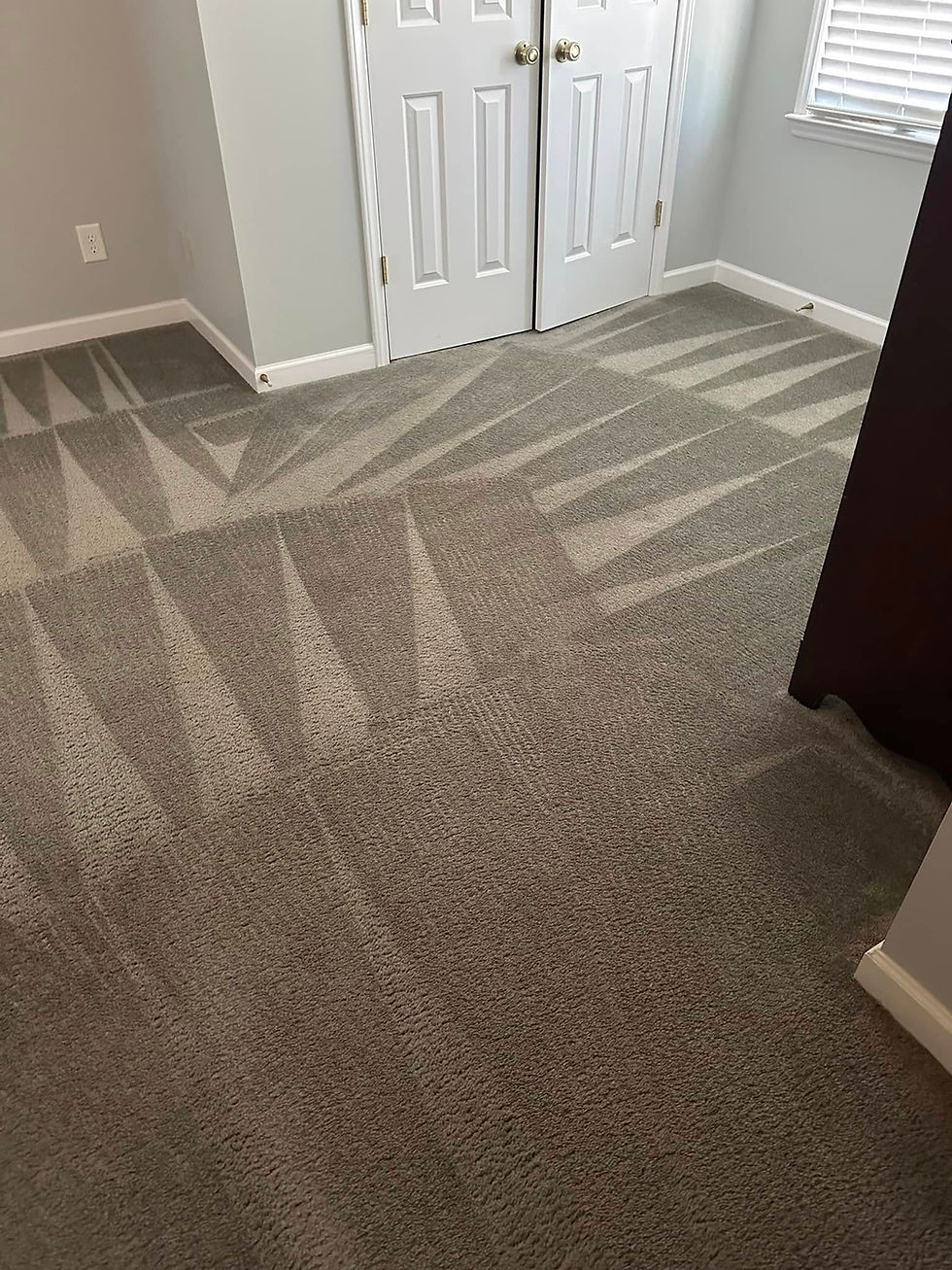
At J Rex Cleaning Solutions, we recently completed a professional upholstery cleaning project involving a recliner chair. The finished photo shows a clean, well-maintained piece of furniture and highlights the value of properly caring for upholstered seating.
Professional recliner cleaning involves more than removing visible dirt. Understanding the fabric, selecting appropriate cleaning methods, and controlling moisture are essential for achieving good results without damaging the upholstery or the chair's internal components.
If your favorite recliner is starting to look worn or dirty, professional upholstery cleaning may help refresh its appearance and extend its useful life. However, the results depend on the fabric, the type of contamination, and the overall condition of the chair.
Can Professional Upholstery Cleaning Make an Old Recliner Look New Again?
Professional upholstery cleaning can often make an older recliner look significantly cleaner and fresher, especially when the discoloration comes from removable dirt, body oils, and everyday residue. However, cleaning cannot reverse permanent fading, fabric abrasion, damaged fibers, or worn cushioning.
Many recliners begin looking older long before their frames or reclining mechanisms wear out. Armrests may become darker from repeated skin contact, while seat cushions collect dust, clothing fibers, and other contaminants that gradually affect the upholstery's appearance.
Professional cleaning addresses these problems using methods appropriate for the fabric and construction. When the upholstery remains in good condition, removing accumulated contamination can make a noticeable difference.
What Professional Recliner Cleaning Can Improve
Depending on the material and condition, professional cleaning may remove embedded soil, reduce oily residue, improve certain stains, and eliminate some odor-causing contamination. It can also help restore a more uniform appearance when discoloration is primarily caused by removable dirt.
Our recent J Rex Cleaning Solutions project highlights the clean appearance that professional upholstery care can help maintain. The finished recliner provides an example of why furniture cleaning is worth considering before replacing a chair that remains comfortable and functional.
What Cleaning Cannot Fix
Professional cleaning does not repair torn upholstery, restore flattened cushioning, or reverse areas where repeated friction has worn away the fabric's fibers. Sun fading, permanent dye changes, and some chemically altered stains may also remain after cleaning.
An experienced upholstery cleaner should distinguish removable contamination from permanent wear before beginning treatment. This helps homeowners understand what improvements are realistic for their particular recliner.
Why Do Upholstered Recliner Chairs Get Dirty So Quickly?
Recliners collect contamination differently from many other pieces of furniture because people tend to sit in the same position for extended periods. Certain areas experience repeated contact, causing soil to accumulate unevenly.
The headrest, armrests, seat cushion, and footrest are especially vulnerable. Each area encounters different types of contamination based on how the chair is used.
Body Oils Accumulate on Armrests and Headrests
Natural skin oils transfer to upholstery through repeated contact. Hair products, lotions, and perspiration can contribute additional residue, particularly around the headrest and armrests.
These oils can attract airborne dust and other particles, gradually creating darker areas that ordinary vacuuming may not remove. The longer oily contamination remains in the fabric, the more difficult it can become to treat.
Dust and Fine Particles Settle Into Upholstery
Upholstered furniture collects dust, lint, pet hair, and other household particles. Some remain on the surface, while smaller particles can work into the fabric's texture and seams.
Regular vacuuming helps reduce this accumulation, but deeply embedded soil may require additional treatment. The amount of contamination depends on household activity, pets, fabric construction, and cleaning frequency.
Food and Beverage Residue Create Stains
Recliners are commonly used while eating snacks or drinking beverages. Small spills may go unnoticed until they dry, leaving behind sugars, oils, dyes, or other residues.
The appearance of a stain does not always indicate how difficult it will be to remove. Fiber type, spill composition, previous cleaning attempts, and the amount of time the stain has remained all influence the outcome.
Footrests Experience Additional Wear
Recliner footrests frequently contact clothing, socks, shoes, and household dust. Their upholstery may also experience repeated friction as the chair opens and closes.
Because footrests contain moving sections and seams, cleaning them requires attention to both the fabric and the mechanical construction. Excessive moisture around internal components should be avoided.
How Does Professional Recliner Upholstery Cleaning Work?
Professional recliner cleaning should follow a process suited to the chair's fabric, construction, and condition. The exact method varies because not every recliner can safely tolerate the same cleaning products or amount of moisture.
A careful evaluation is especially important for recliners with delicate upholstery, attached cushions, mechanical controls, or electrical components.
Step 1: Inspect the Fabric and Cleaning Instructions
The technician evaluates the upholstery material, visible stains, areas of heavy use, and overall condition. Manufacturer cleaning instructions and upholstery codes provide useful guidance when available, although testing may still be necessary.
Fabric identification helps determine whether water-based cleaning, solvent-based methods, or another specialized approach is appropriate. Color stability and the potential for texture changes must also be considered.
Step 2: Check the Reclining Mechanism
Recliners contain moving parts that distinguish them from ordinary upholstered chairs. Manual models may have levers, springs, and metal mechanisms, while powered recliners can include motors, wiring, switches, and electrical connections.
These components should be protected from unnecessary moisture. Powered chairs require particular care, including following manufacturer safety instructions before cleaning around electrical components.
Step 3: Remove Loose Dirt and Debris
Thorough vacuuming helps remove surface dust, lint, pet hair, and loose particles before wet cleaning begins. Appropriate upholstery attachments can reach seams, cushion edges, and other areas where debris collects.
Removing dry soil first reduces the amount of contamination that must be suspended and extracted during later cleaning. It also helps prevent loose particles from spreading across the fabric.
Step 4: Treat Heavily Soiled Areas
Armrests, headrests, and seat cushions may require additional attention because of concentrated body oils and everyday residue. Suitable cleaning agents can help loosen this contamination before extraction or another approved cleaning method.
Products must be selected for the upholstery material and tested when appropriate. Aggressive chemistry or excessive agitation can cause color changes, texture distortion, or damage to sensitive fibers.
Step 5: Clean the Upholstery
For compatible fabrics, professional hot water extraction may be used to rinse and recover loosened soil. Other upholstery materials may require low-moisture or specialized solvent-based methods.
The technician should control the amount of solution applied and recovered, particularly around attached cushions, seams, and internal padding. Over-wetting can increase drying time and create additional problems.
Step 6: Address Remaining Spots
Some stains require targeted treatment beyond general upholstery cleaning. The appropriate approach depends on whether the residue contains oils, dyes, tannins, proteins, or other substances.
Repeated aggressive treatment is not always advisable. When a stain has permanently altered the fabric, further cleaning may increase the risk of damage without improving the result.
Step 7: Support Proper Drying
After cleaning, airflow and appropriate room conditions help the upholstery dry. The technician may position the chair to improve ventilation around cleaned surfaces, provided this can be done safely.
The recliner should not be returned to normal use until the upholstery is sufficiently dry. Drying recommendations should account for fabric construction, cushion thickness, and the amount of moisture used.
Can Professional Cleaning Remove Body Oils, Stains, and Odors From Recliners?
Professional upholstery cleaning can often improve common contamination found on recliner chairs, but different problems require different treatments. Body oils, food stains, pet accidents, and odors do not all respond to the same cleaning products.
Identifying the source of the problem is important because the visible upholstery may not reveal how deeply contamination has penetrated.
Body Oil and Perspiration Residue
Oily contamination is particularly common on headrests and armrests. Professional cleaning agents formulated for compatible upholstery can help break down and suspend these residues for removal.
Results depend on how long the contamination has been present and whether the fabric has experienced permanent color or texture changes. Some darkened areas may improve considerably, while others retain visible wear.
Food and Beverage Stains
Many food and drink stains can be treated successfully, especially when the upholstery is compatible with the necessary cleaning method. However, certain dyes, previous chemical treatments, and prolonged exposure can make complete removal difficult.
Homeowners should avoid experimenting with multiple household stain removers. Mixing products or applying excessive moisture can spread the stain or create additional discoloration.
Pet-Related Contamination
Pet hair, tracked-in dirt, and some surface odors may respond well to professional upholstery cleaning. Pet urine presents a more complicated problem because liquid can penetrate beneath the fabric into cushioning and internal materials.
When contamination extends into the padding, cleaning the surface alone may not eliminate the odor. Additional treatment or replacement of affected materials may be necessary.
Odors From Everyday Use
Some upholstery odors develop from accumulated body oils, food residue, or other removable contamination. Cleaning can help reduce these odors when the source is accessible and compatible with the treatment.
However, odors originating from deep cushioning, smoke exposure, or other persistent sources may remain. Deodorizing products should not be presented as a substitute for removing the underlying contamination.
Is Steam Cleaning Safe for Every Type of Recliner Fabric?
No, not every recliner fabric is suitable for steam cleaning or hot water extraction. The safest cleaning method depends on fiber composition, dye stability, backing materials, manufacturer instructions, and the chair's internal construction.
The term steam cleaning is commonly used to describe professional hot water extraction, but the process generally involves applying and recovering heated cleaning solution rather than exposing upholstery to uncontrolled steam.
Understanding Upholstery Cleaning Codes
Manufacturer labels may include cleaning codes that help identify appropriate care methods:
W: Water-based cleaning products may be appropriate.
S: Solvent-based cleaning methods are generally indicated.
W/S or S/W: Either water-based or solvent-based methods may be permitted.
X: Vacuuming or brushing only, according to the manufacturer's instructions.
These codes provide guidance but do not guarantee that every cleaning procedure is safe. Fabric testing and professional judgment remain important.
Delicate and Specialty Fabrics
Some upholstery materials are vulnerable to shrinkage, water rings, dye migration, or texture changes. Fabrics containing certain natural fibers or specialty finishes may require a more conservative cleaning approach.
Velvet, rayon-containing fabrics, and other sensitive materials deserve particular attention. A cleaning method that works well on durable synthetic upholstery may not be suitable for these surfaces.
Leather and Faux Leather Recliners
Leather and synthetic leather require different care from woven upholstery fabrics. Conventional hot water extraction is generally not appropriate for these materials.
Suitable leather or synthetic upholstery cleaning products should be selected according to the manufacturer's recommendations. Damaged coatings, peeling finishes, and worn leather cannot be restored through ordinary cleaning.
Powered Recliners Need Additional Precautions
Powered recliners contain electrical components that must be protected from moisture. Cleaning should avoid saturating areas near switches, wiring, motors, and connections.
The manufacturer's safety instructions should be followed when preparing a powered recliner for cleaning. Electrical problems or damaged components should be addressed by a qualified professional rather than treated as an upholstery issue.
How Long Does a Recliner Take to Dry After Professional Cleaning?
A recliner cleaned with a water-based extraction method may take approximately 4 to 12 hours to dry, although actual drying times can be shorter or longer. Fabric thickness, cushion construction, humidity, ventilation, and the amount of moisture used all influence the result.
Some low-moisture methods require less drying time, while heavily padded furniture or dense fabrics may retain moisture longer. A technician should provide guidance based on the specific chair and cleaning procedure.
Why Recliners Can Take Longer to Dry
Recliners often have attached cushions, thick padding, and upholstered sections that overlap or fold when the chair changes position. These features can restrict airflow and make moisture removal more complicated.
The headrest, seat cushion, and armrests may also contain different amounts of padding. As a result, some areas can feel dry while deeper sections still contain moisture.
How to Improve Drying Conditions
Air circulation helps moisture evaporate from upholstery. Fans, suitable ventilation, and appropriate indoor temperature and humidity conditions can support the drying process.
Avoid placing direct high heat against the fabric because some materials can shrink, discolor, or become damaged. Cleaning equipment and drying methods should always be compatible with the upholstery.
When Can You Use the Recliner Again?
The chair should be sufficiently dry before normal use resumes. Sitting on damp upholstery can transfer soil from clothing and may compress wet cushioning, slowing the drying process.
For powered recliners, follow the manufacturer's instructions regarding electrical safety and moisture exposure. If the chair remains unusually damp or develops an unexpected odor, contact the cleaning professional for guidance.
When Should You Professionally Clean a Recliner Instead of Replacing It?
Replacing a comfortable recliner can be expensive, especially when the frame, reclining mechanism, and cushioning are still in good condition. Professional upholstery cleaning may be a practical alternative when the main problem involves removable dirt, stains, or everyday residue.
However, cleaning is not always the right solution. The condition of the upholstery and internal components should guide the decision.
Clean When the Fabric Is Structurally Sound
A recliner with intact upholstery and functioning components is often a good candidate for professional cleaning. Even noticeable discoloration may improve when it comes from accumulated soil rather than permanent fabric wear.
Professional cleaning can help preserve the chair's appearance and make routine maintenance easier. The results should be evaluated based on the fabric's condition rather than expectations of complete restoration.
Consider Cleaning Before Replacing a Favorite Chair
Many homeowners keep recliners because they are comfortable, fit their living space, or have sentimental value. If the chair remains functional, cleaning may be worthwhile before investing in replacement furniture.
The cost of professional cleaning is generally lower than purchasing a new quality recliner. However, the value depends on the chair's condition and the improvements cleaning can realistically provide.
Repair or Replace Damaged Upholstery
Torn fabric, severe abrasion, broken seams, and peeling synthetic leather cannot be corrected through cleaning. These problems may require upholstery repair or replacement.
If the frame, reclining mechanism, or cushioning has failed, those issues should also be evaluated separately. Cleaning cannot correct mechanical or structural defects.
Consider the Age and Overall Condition
Older furniture may have weakened fabrics or deteriorated backing materials that require special care. Aggressive cleaning can create additional damage when the upholstery is already fragile.
A professional inspection helps determine whether the chair can be cleaned safely. In some situations, conservative cleaning or replacement may be more appropriate than intensive treatment.
Maintain the Recliner After Cleaning
Regular vacuuming, prompt spill cleanup, and appropriate fabric care can help preserve the results. Avoid applying unapproved household chemicals or saturating upholstery when treating small spots.
Professional cleaning frequency depends on household use, pets, children, and the fabric's condition. Recliners used daily may need attention more often than furniture reserved for occasional use.
Give Your Favorite Recliner a Fresh Start With J Rex Cleaning Solutions
A recliner doesn't have to be visibly stained or heavily worn to benefit from professional upholstery cleaning. Everyday use gradually introduces dirt, body oils, dust, and other contaminants that can affect how furniture looks and feels.
Our recent J Rex Cleaning Solutions project features a freshly cleaned upholstered recliner with a neat, well-maintained appearance. It is a reminder that caring for existing furniture can be a practical way to keep your home looking clean and comfortable.
Professional recliner cleaning requires an understanding of upholstery materials, careful moisture control, and attention to the chair's construction. Choosing an appropriate method helps remove contamination while protecting the fabric and mechanical components.
Whether your recliner has darkened armrests, accumulated everyday dirt, or stains that regular cleaning hasn't improved, a professional evaluation can help determine what results are possible. Cleaning may extend the useful life of furniture that is otherwise still comfortable and functional.
At J Rex Cleaning Solutions, we provide professional upholstery and furniture cleaning services to help homeowners care for their chairs, couches, and other upholstered surfaces. Our goal is to deliver thorough cleaning while treating each piece of furniture with the attention its materials and construction require.
Does your favorite recliner need professional attention? Contact J Rex Cleaning Solutions today for a free upholstery cleaning quote and find out how we can help refresh your furniture.


Comments